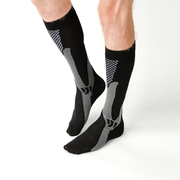
 Active Compression
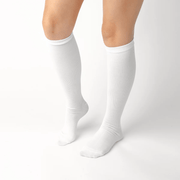 Plain Compression Socks



Compression Socks & Stockings New Zealand
Graduated compression socks and stockings for comfortable legs and better circulation, every day.

Best Sellers
View all-
Knee High
Active Black Compression Socks
-29%Regular price $40.00Regular priceUnit price per$57.00Sale price $40.00-29% -
Knee High
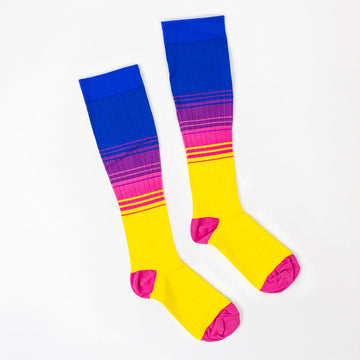
Sunset Compression Socks
-29%Regular price $40.00Regular priceUnit price per$57.00Sale price $40.00-29% -
Knee High
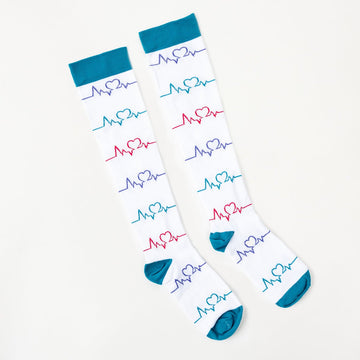
White Heart Compression Socks
-29%Regular price $40.00Regular priceUnit price per$57.00Sale price $40.00-29% -
Knee High
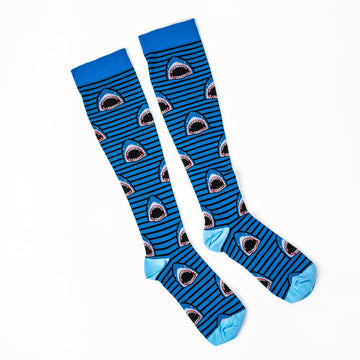
Shark Bite Compression Socks
-29%Regular price $40.00Regular priceUnit price per$57.00Sale price $40.00-29% -
Best Value
Buy 3 Pairs, Save up to 60%
Mix & match any knee-high compression socks. Free express shipping included on every bundle.
Shop Bundles -
Knee High
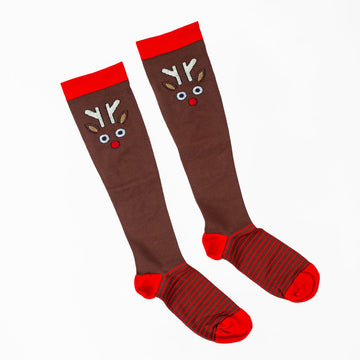
Reindeers Compression Socks
-29%Regular price $40.00Regular priceUnit price per$57.00Sale price $40.00-29% -
Copper Infused
Natural Beige Copper Infused Compression Socks
-29%Regular price $40.00Regular priceUnit price per$57.00Sale price $40.00-29% -
Knee High
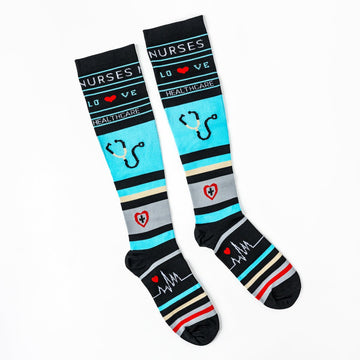
Nurse Love Compression Socks
-29%Regular price $40.00Regular priceUnit price per$57.00Sale price $40.00-29% -
Knee High
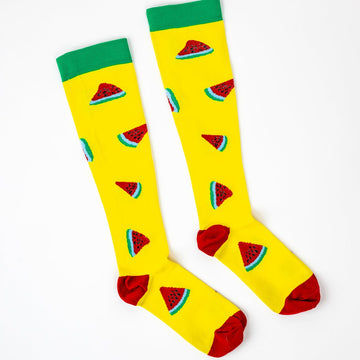
Happy Watermelon Compression Socks
-29%Regular price $40.00Regular priceUnit price per$57.00Sale price $40.00-29% -
New Zealand-Wide
Free Shipping over $60
Fast, tracked delivery straight to your door. Most orders arrive within a few business days.
Track Delivery -
Knee High
Ribbons Compression Socks
-29%Regular price $40.00Regular priceUnit price per$57.00Sale price $40.00-29% -
Knee High
White Compression Socks
-29%Regular price $40.00Regular priceUnit price per$57.00Sale price $40.00-29% -
Knee High
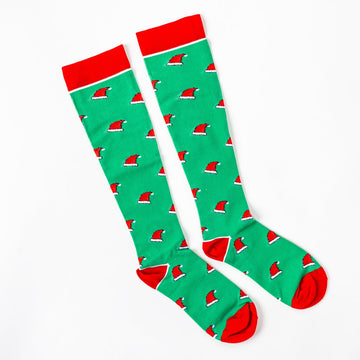
Santa Hats Compression Socks
-29%Regular price $40.00Regular priceUnit price per$57.00Sale price $40.00-29% -
Knee High
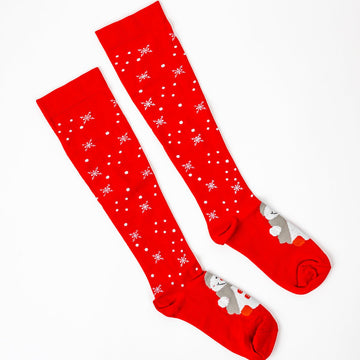
Frosty Snowman Compression Socks
-29%Regular price $40.00Regular priceUnit price per$57.00Sale price $40.00-29% -
Risk-Free
30-Day Money-Back Guarantee
Try TheraWear compression socks for a full 30 days. Don’t love them? Return them for a full refund, unworn and in original condition.
Read the Promise -
Knee High
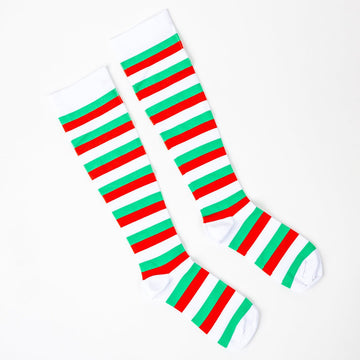
Candy Canes Compression Socks
-29%Regular price $40.00Regular priceUnit price per$57.00Sale price $40.00-29% -
Knee High
Retro Pink Compression Socks
-29%Regular price $40.00Regular priceUnit price per$57.00Sale price $40.00-29% -
Knee High
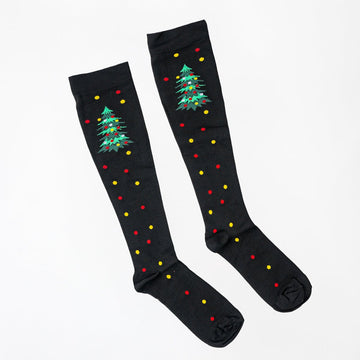
Christmas Lights Compression Socks
-29%Regular price $40.00Regular priceUnit price per$57.00Sale price $40.00-29% -
Knee High
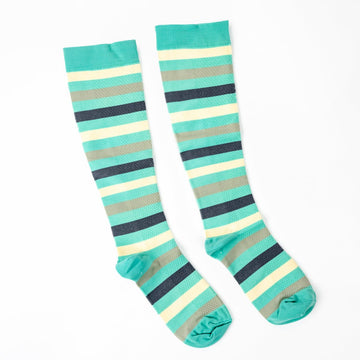
Blue Striped Compression Socks
-29%Regular price $40.00Regular priceUnit price per$57.00Sale price $40.00-29%















Benefits of Compression Socks
Trusted by 50,000+ New Zealanders for everyday leg support
Improved Circulation
Boosts blood flow
Continuous Comfort
All-day wearability
DVT Prevention
Reduces clot risk
Vein Health Support
Prevents varicose
Boosted Performance
Enhances endurance
Lighter-Feeling Legs
May help ease everyday puffiness

The Science Behind Graduated Compression
Pressure that is strongest at the ankle and eases toward the calf gives your veins mechanical help moving blood upward — which may help ease swelling and leg fatigue and lower clot risk. Worn daily by Kiwi nurses, long-haul travellers, athletes and expectant mothers.
-
1
Pull them on
Goes on much like any other sock; the graded knit handles the rest, ankle through calf.
-
2
Keep them on
Good for a full 12-hour stretch, whether that is a shift, a flight, a training run or recovery.
-
3
Notice the change
Ankles stay down, legs stay willing. Most people feel it inside the first week.
Why Choose TheraWear
See how we compare on quality, support, and value.
Compression Socks or Compression Stockings: Which Should You Buy?
Across New Zealand you will hear compression socks and compression stockings used to mean much the same thing. There are real distinctions underneath the labels, though, and knowing them makes choosing your first pair far easier.
Compression Socks
A knee-high knit that grades its pressure from the ankle upward. This is the everyday choice for Kiwis who want circulation support that survives a full shift, a long drive or a flight out of Auckland.
- Finishes just below the knee
- Usually knitted at 15–20mmHg or 20–30mmHg
- Suits shift work, driving, sport and pregnancy
- Pulls on quickly and washes in the machine
- Sold in plain colourways and prints alike
Compression Stockings
The longer therapeutic garments, reaching the thigh or the waist. In New Zealand these tend to be dispensed for a diagnosed problem — varicose veins, lymphoedema, recovery after an operation, or chronic venous insufficiency.
- Made in knee, thigh and full-length cuts
- Commonly 20–30mmHg, sometimes 30–40mmHg
- Prescribed for venous disease and rehabilitation
- Measurements usually taken by a clinician
- Worn to a schedule set by your doctor
How Much Compression Do You Actually Need?
Pressure is quoted in mmHg, short for millimetres of mercury. Landing on the correct figure is what decides whether a pair feels supportive or simply feels tight.
Mild Support
Gentle daily relief for legs that ache by evening and ankles that puff slightly. A sensible first step if you have never worn graduated compression before.
Everyday ComfortModerate Support
The strength most Kiwis settle on. It handles long-haul departures, hours behind the wheel, pregnancy, retail and desk work, and keeps early varicose changes in check.
Travel & WorkFirm Compression
Properly therapeutic pressure. This is the band used for established varicose veins, oedema, clot prevention, recovery after surgery, and serious training loads.
Medical / RecoveryExtra Firm
Reserved for advanced venous disease, lymphoedema and post-thrombotic syndrome. Only wear this band on the instruction of your doctor.
PrescriptionWho Gets the Most Out of Compression Socks?
Thousands of New Zealanders pull on a pair of TheraWear compression socks each morning. These are the people who notice the difference fastest.
Long-Haul Travellers
Nowhere is far from nowhere except from here. Graduated socks may help ease ankle swelling and lower clot risk on the long flights out of New Zealand.
Nurses & Healthcare Workers
A ward shift punishes the lower leg. Compression keeps the circulation working so you finish the twelfth hour without dragging your feet.
Pregnancy & Postpartum
Maternity-friendly compression may help ease the swelling, heaviness and cramping that so often arrive in the later trimesters and linger after birth.
Runners & Athletes
Better oxygen delivery while you work, less soreness afterwards. Compression shortens the gap between a hard session and the next one.
Trades & Outdoor Work
Shearing sheds, packhouses, orchards and building sites all keep you upright for hours. Graduated socks make that a great deal more bearable.
Seniors & Retirees
Worn daily, compression assists circulation and may help ease swelling and heavy legs as the years accumulate.
Desk-Bound Workers
Seated all day? Blood gathers in the calf and legs turn leaden by mid-afternoon. Compression stops that pooling before it starts.
Post-Surgery Recovery
Therapeutic stockings are a routine part of recovery, holding venous return steady while you are less mobile than usual.
Teachers & Hospitality
Eight hours upright in a classroom or behind a bar leaves its mark. A graduated knit is what makes the walk home tolerable.
Drivers & Commuters
Long stretches at the wheel between towns leave the calves static for hours. Compression keeps things moving when your legs cannot.
Conditions Graduated Compression Helps Manage
The clinical evidence behind graduated compression covers a wide span of leg-health problems, from cosmetic vein changes through to serious venous disease.
Varicose & Spider Veins
Steady external pressure supports the vein wall and assists return flow, which slows how quickly varicosities advance and takes the ache out of them.
Preventing Deep Vein Thrombosis
Immobility is the risk factor, whether that is a fourteen-hour flight or a fortnight recovering at home. Compression keeps blood circulating through the danger window.
Oedema & Swollen Legs
By limiting how much fluid can settle in the ankle and lower calf, compression is a standby for nurses, expectant mothers and anyone whose shoes stop fitting by evening.
Chronic Venous Insufficiency
Daily therapeutic compression is the standard first response to CVI in New Zealand, giving a failing valve system the mechanical help it needs.
Lymphoedema
Paired with manual lymphatic drainage, compression garments are commonly used to help manage swelling in both primary and secondary lymphoedema.
Restless Legs & Cramping
A recurring theme in our feedback: better sleep, fewer cramps overnight and less of that crawling restlessness once compression becomes a daily habit.
Diabetic Leg Care
Light graduated pressure can assist circulation in diabetic legs, but clear the strength with your GP or podiatrist before you begin.
Shin Splints & Athletic Recovery
Damping muscle vibration during effort means less microtrauma to repair afterwards, which is why cyclists, runners and triathletes across New Zealand wear them.
Compression Socks, Delivered Across New Zealand
Australian-designed, sent with full tracking to both islands. Free delivery once your order passes $60.
Nationwide delivery, North Island and South
We send compression socks and compression stockings to addresses throughout New Zealand. The knit, the pressure profile and the 30-day money-back guarantee are the same wherever you happen to live.
Loved by Thousands of New Zealanders
Based on 50,000+ happy customers
“Provides great compression and the cooling helps with inflammation. I use it almost daily now.”
“These socks look amazing and provide great support. They’ve been a lifesaver for my legs.”
“The material feels lovely on my skin and the colour doesn’t fade after washing.”
“The tiny heart design makes them feel special. Compression is firm but not uncomfortable.”
“Socks are fantastic! Really supportive and easy to put on.”
“I used these on a holiday flight, and they worked perfectly. No swelling, and they looked festive!”
“I was surprised by how soft these feel compared to other compression socks I’ve tried. They’ve definitely helped reduce that heavy-leg feeling after standing all day.”
“Shipping was a little delayed but once they arrived I could immediately tell they were high quality. Super supportive for long days on my feet.”
“I have a few pairs of compression socks but these are the ones I reach for first. Comfortable, fun, and the compression is just right not too tight, not too loose.”
“I love that these don’t make my legs feel overheated like some compression socks do. They’re lightweight, breathable, and comfortable enough for all-day wear.”
“The compression level is just right, and they’re so comfortable to wear all day.”
“They’re supportive, soft, and make me feel festive already. I’ll be wearing them all through December.”
Since October 2026, customers who review on our site can earn TheraWear Rewards points, whatever star rating they give.

Our FAQ
Compression Socks FAQ
The knit is deliberately uneven. Pressure is at its highest around the ankle and tapers as it rises toward the knee, so the calf muscle gets mechanical help returning blood upward instead of letting it settle in the lower leg. In practice, many wearers notice less puffiness and far less of that heavy feeling by evening. TheraWear knits every pair at 15–20 mmHg in a breathable, moisture-wicking nylon, polyester and spandex knit.
A broad mix of New Zealanders: ward nurses and healthcare staff on their feet all shift, expectant mothers managing swelling, anyone facing the long haul out of Auckland, athletes recovering between sessions, drivers covering distance between towns, packhouse and shearing crews, desk workers, and people managing varicose veins, clot risk or recovery after an operation. If your legs feel heavy, tired or puffy at the end of the day, compression is worth trying.
Our range is knitted at 15–20 mmHg, the strength that suits the widest group of wearers — everyday use, flights, pregnancy, sport and milder clinical needs. It supports circulation and may help ease swelling and lower clot risk on long journeys, with no prescription involved. If you are dealing with something more serious, talk to your GP about stepping up to 20–30 mmHg or 30–40 mmHg.
Take two measurements: the widest part of your calf, and the narrowest part of your ankle just above the bone. Compare both against the size chart shown on each product page. A correct fit feels firm and supportive but never pinches — that is what delivers the graduated pressure properly. Sitting between two sizes? Take the larger one.
The technology is the same graduated knit; length is what separates them. Compression socks stop below the knee, while stockings can run to the thigh or waist and are usually dispensed for a diagnosed condition. For travel, work, sport and pregnancy, a knee-high does everything you need. TheraWear concentrates on knee-highs because they are easier to pull on and far more comfortable across a full day.
Yes — flights out of New Zealand are long, and hours of sitting still is exactly the situation graduated compression is designed for. It keeps blood circulating when your calf muscles are doing nothing, which may help ease ankle swelling and lower the risk of deep vein thrombosis. Put them on before you board rather than mid-flight, and leave them on for the whole journey.
Yes. Compression is commonly suggested through pregnancy to help with swollen ankles, emerging varicose veins and general leg fatigue, and it tends to matter most in the second and third trimesters. The 15–20 mmHg strength we knit is suitable for daily wear. If anything about your pregnancy is being monitored closely, raise it with your midwife or GP first.
Worn most days and cared for properly, a pair holds its graduated pressure for roughly 3–6 months. Wash cold on a gentle cycle and hang them to dry — the dryer is what kills compression socks, because heat breaks down the elastic fibres. The tell-tale sign that a pair is finished is looseness around the ankle.
We do — North Island and South, with tracking on every order so you can follow it to your door. Orders over $60 ship free, and faster options are available at checkout.
Send them back. Unworn pairs can be returned within 30 days of delivery for a full refund, no argument required. Getting the strength or size right occasionally takes a second go, and you should not be out of pocket for that — our returns page covers how to start one.
The New Zealand Guide to Compression Socks & Compression Stockings
Why New Zealanders choose TheraWear compression socks
Tired, heavy legs are one of the most common health complaints in New Zealand, and shift work, long drives between towns and the sheer distance of our flights all add to the load. Compression socks are one of the simplest, best-evidenced ways to look after your leg health, and TheraWear is the Australian-designed brand Kiwis trust for genuine graduated compression at an honest regular price rather than a pharmacy markup.
Graduated pressure is what separates a real compression sock from a tight sock. TheraWear knits the highest pressure at the ankle and eases it toward the calf, so the muscle pump in your lower leg gets mechanical help returning blood flow to the heart instead of letting it pool. Many wearers notice it as less puffiness around the ankle bone, fewer cramps overnight, and legs that still feel usable at the end of a long day.
Compression socks or compression stockings: which do you need?
Most GPs and pharmacists in New Zealand use the two names loosely. The practical split is length: compression socks almost always means a knee-high you can wear every day, while compression stockings can stretch to thigh-high or pantyhose lengths that are usually dispensed for a diagnosed venous condition. TheraWear concentrates on knee-highs, which is the length that suits the overwhelming majority of everyday needs.
Choosing the right compression level (mmHg)
Compression is graded in mmHg. If you have never worn a pair, start at 15–20mmHg — enough pressure to change how your legs feel by the end of a shift, gentle enough that you will actually keep them on. Move up to 20–30mmHg if you are managing diagnosed varicose veins, recovering from an operation, living with lymphoedema, or training seriously. Anything at 30–40mmHg should be fitted on the advice of a GP or vascular specialist.
Compression socks for the way New Zealanders work
A nurse finishing a twelve-hour ward shift, a shearer or packhouse worker on their feet since dawn, a teacher who never sits down, and anyone facing the long haul out of Auckland — they all end the day with the same problem, and the same graduated compression solves it. Our range is sized S through 6XL, because leg health should not depend on having an average calf.
The knee-high range runs from plain black crew socks that disappear under work trousers to bold prints worth wearing on the ward. The knit, the pressure profile and the price are identical across every design — you are not charged extra for the compression.
Delivery across New Zealand
Every order is tracked to the door, North Island or South. Orders over $60 ship free.
Thirty days to change your mind
If an unworn pair is not right, send it back within 30 days of delivery for a full refund. We would rather you tried a strength and returned it than guessed and gave up on compression altogether.


