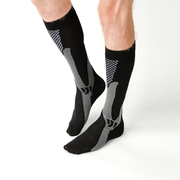
 Active Compression
 Plain Compression Socks



Compression Socks New Zealand
Graduated compression socks and stockings for comfortable legs and better circulation, every day.

-

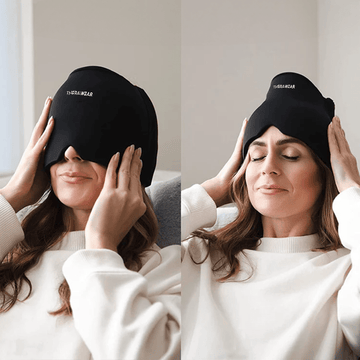 -28%
-28%Migraine Relief Cap
-28%Regular price $54.00Regular priceUnit price per$75.00Sale price $54.00-28% -
Ankle Ice Compression
-50%Regular price $29.00Regular priceUnit price per$58.00Sale price $29.00-50%


Feel The Difference
Trusted by 50,000+ New Zealanders for everyday leg support
Improved Circulation
Boosts blood flow
Continuous Comfort
All-day wearability
DVT Prevention
Reduces clot risk
Vein Health Support
Prevents varicose
Boosted Performance
Enhances endurance
Lighter-Feeling Legs
May help ease everyday puffiness
The Science Behind Graduated Compression
Pressure that is strongest at the ankle and eases toward the calf gives your veins mechanical help moving blood upward — which may help ease swelling and leg fatigue and lower clot risk. Worn daily by Kiwi nurses, long-haul travellers, athletes and expectant mothers.
-
1
Pull them on
Goes on much like any other sock; the graded knit handles the rest, ankle through calf.
-
2
Keep them on
Good for a full 12-hour stretch, whether that is a shift, a flight, a training run or recovery.
-
3
Notice the change
Ankles stay down, legs stay willing. Most people feel it inside the first week.
Why Choose TheraWear
See how we compare on quality, support, and value.
Why Wear Compression Socks?
Compression socks are graduated-pressure garments that apply the strongest squeeze at the ankle and gradually decrease up the calf. This design helps push blood back towards the heart, improving venous return and reducing the pooling that causes tired, heavy, or swollen legs. Many people wear 15–20 mmHg compression socks because they may help ease leg swelling, lower the risk of deep vein thrombosis (DVT) on flights, support recovery after exercise and soothe the aching of varicose veins.
Unlike generic socks, true graduated compression socks are engineered with specific pressure zones. TheraWear compression socks are built with a breathable double-stitched nylon-blend fabric that wicks moisture and lasts through hundreds of washes, so you get firm, graduated support without sacrificing comfort.
How to Choose the Right Compression Level
Compression socks come in different pressure levels measured in millimetres of mercury (mmHg). The right level depends on your needs:
15–20 mmHg (mild to moderate), The most versatile range and what TheraWear offers. Ideal for everyday wear, travel, pregnancy, standing jobs (nurses, retail, hospitality, FIFO), sport recovery, and mild varicose veins. No prescription required.
20–30 mmHg (firm), Typically recommended for moderate varicose veins, post-surgery recovery, lymphoedema management, or after a DVT diagnosis. Often requires a medical professional's guidance.
30–40 mmHg (extra firm), Prescribed for severe venous conditions. Always used under medical supervision.
For most Australians, 15–20 mmHg compression socks are the sweet spot, effective enough to deliver real circulatory benefits, comfortable enough to wear from sunrise to sundown.
Compression Socks for Every Lifestyle
Travel and Flights, Long-haul flying is one of the biggest risk factors for DVT. Wearing flight compression socks keeps blood moving even when you're stuck in an economy seat for 12 hours. Put them on before you board and keep them on until you land.
Pregnancy, Swelling, varicose veins, and leg cramps are common from the second trimester onwards. Pregnancy compression socks provide gentle support that helps manage fluid retention without restricting movement.
Nurses, Healthcare & Standing Jobs, If you're on your feet for 8–12 hour shifts, medical compression socks may help ease fatigue and post-shift swelling so your legs feel fresher at the end of the day.
Running, Sport & Recovery, Athletes use compression socks during and after training to reduce muscle vibration, speed up lactic acid clearance, and cut recovery time. Explore our active compression socks range.
Everyday Comfort, You don't need a medical reason to wear compression socks. Anyone who sits at a desk all day, commutes long distances, or simply wants better leg health can benefit from daily graduated compression.
How to Care for Your Compression Socks
To keep your compression socks performing at their best: machine-wash on a gentle cold cycle, use mild detergent, and hang dry. Avoid fabric softener and tumble drying, heat breaks down the elastic fibres that provide graduated pressure. With proper care, a pair of TheraWear compression socks will maintain effective compression for 3–6 months of daily wear. If you rotate two or three pairs, each will last even longer.
Loved by Thousands of New Zealanders
Based on 50,000+ happy customers
“The relief and comfort are excellent and I’ve been using it several times a week. I’d definitely purchase another one if more colours became available.”
“I was impressed by how long the cooling sensation lasted compared to regular ice packs. It’s become part of my evening routine after work.”
Since October 2026, customers who review on our site can earn TheraWear Rewards points, whatever star rating they give.
Our FAQ
Compression Socks FAQ
The knit is deliberately uneven. Pressure is at its highest around the ankle and tapers as it rises toward the knee, so the calf muscle gets mechanical help returning blood upward instead of letting it settle in the lower leg. In practice, many wearers notice less puffiness and far less of that heavy feeling by evening. TheraWear knits every pair at 15–20 mmHg in a breathable, moisture-wicking nylon, polyester and spandex knit.
A broad mix of New Zealanders: ward nurses and healthcare staff on their feet all shift, expectant mothers managing swelling, anyone facing the long haul out of Auckland, athletes recovering between sessions, drivers covering distance between towns, packhouse and shearing crews, desk workers, and people managing varicose veins, clot risk or recovery after an operation. If your legs feel heavy, tired or puffy at the end of the day, compression is worth trying.
Our range is knitted at 15–20 mmHg, the strength that suits the widest group of wearers — everyday use, flights, pregnancy, sport and milder clinical needs. It supports circulation and may help ease swelling and lower clot risk on long journeys, with no prescription involved. If you are dealing with something more serious, talk to your GP about stepping up to 20–30 mmHg or 30–40 mmHg.
Take two measurements: the widest part of your calf, and the narrowest part of your ankle just above the bone. Compare both against the size chart shown on each product page. A correct fit feels firm and supportive but never pinches — that is what delivers the graduated pressure properly. Sitting between two sizes? Take the larger one.
The technology is the same graduated knit; length is what separates them. Compression socks stop below the knee, while stockings can run to the thigh or waist and are usually dispensed for a diagnosed condition. For travel, work, sport and pregnancy, a knee-high does everything you need. TheraWear concentrates on knee-highs because they are easier to pull on and far more comfortable across a full day.
Yes — flights out of New Zealand are long, and hours of sitting still is exactly the situation graduated compression is designed for. It keeps blood circulating when your calf muscles are doing nothing, which may help ease ankle swelling and lower the risk of deep vein thrombosis. Put them on before you board rather than mid-flight, and leave them on for the whole journey.
Yes. Compression is commonly suggested through pregnancy to help with swollen ankles, emerging varicose veins and general leg fatigue, and it tends to matter most in the second and third trimesters. The 15–20 mmHg strength we knit is suitable for daily wear. If anything about your pregnancy is being monitored closely, raise it with your midwife or GP first.
Worn most days and cared for properly, a pair holds its graduated pressure for roughly 3–6 months. Wash cold on a gentle cycle and hang them to dry — the dryer is what kills compression socks, because heat breaks down the elastic fibres. The tell-tale sign that a pair is finished is looseness around the ankle.
We do — North Island and South, with tracking on every order so you can follow it to your door. Orders over $60 ship free, and faster options are available at checkout.
Send them back. Unworn pairs can be returned within 30 days of delivery for a full refund, no argument required. Getting the strength or size right occasionally takes a second go, and you should not be out of pocket for that — our returns page covers how to start one.


